Utility-route delays rarely come from drilling alone; jointing, excavation, reinstatement, duct damage and failed proving checks can consume the schedule. By the end, you will be able to identify where HDPE saves time, specify a duct for pullback rather than pressure service, and check the records that keep an HDD route moving in Hingna.
Key takeaways
- Use long fused duct strings to reduce field joints and installation time.
- Specify diameter, SDR, cable load, bore length and pulling conditions before ordering.
- Check duct ovality, end seals, fusion joints and pullback tension before cable installation.
- Control buoyancy and prove the duct before pulling cables through it.
Where HDPE Actually Saves Time Compared with Open-Cut Installation
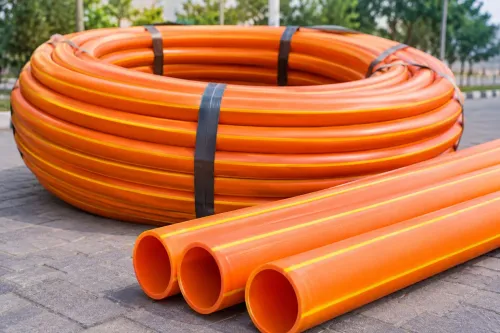
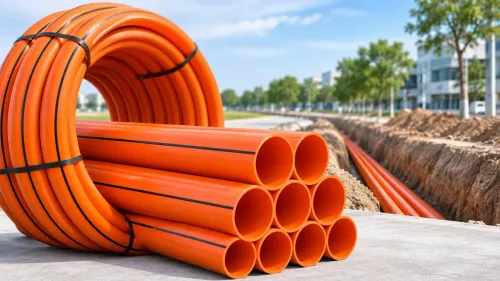
HDPE saves the most time after the bore is ready: long fused strings reduce field joints, pullback places the duct without a continuous trench, and limited excavation cuts surface reinstatement. These are the main hdpe duct benefits for hdd contractors hingna, especially across roads, drains and built-up plots.
| Stage | HDD with HDPE | Open-cut comparison |
|---|---|---|
| Route access | Small entry and exit pits | Continuous excavation, spoil handling and barricading |
| Duct installation | Long string, swivel connection and one pullback | Repeated lowering, jointing and trench work |
| Completion | End protection, proving and cable preparation | Backfill, compaction, road or pavement restoration |
HDPE duct for faster utility installation hingna does not make every HDD stage short. Utility locating, bore-path design, minimum-cover checks, traffic and crossing permits, pilot drilling, reaming, drilling-fluid control and pullback documentation remain schedule constraints. A missed service or permit can stop the route regardless of duct material.
Plan for two HDPE-specific delays: buoyancy and thermal movement. Flooding, weighting or controlled pullback can keep a fluid-filled duct aligned in the bore; after fusion, allow the string to cool and stabilise before cutting, chamber entry or end restraint. Proving with a mandrel or brush also remains necessary before cable pulling.
The HDD Duct Sequence from Survey to Cable Pulling
An HDD duct route reaches acceptance without stoppages when survey, drilling, duct preparation, pullback, proving, and cable installation operate as one handoff sequence. Complete each record before the next crew starts; a missing permit, damaged end, or unproven duct can stop the route at the worst time.
1. Survey the alignment, locate existing utilities, confirm minimum cover, mark entry and exit points, and secure traffic, road-crossing, and work permits. Record the planned bore profile and the locating method for the completed nonconductive duct, such as tracer wire or detectable tape.
2. Drill the pilot bore with the sonde, recording depth, alignment, drilling fluid, and steering changes. The sonde guides drilling; it does not make the installed duct traceable.
3. Ream to the approved diameter while controlling drilling-fluid returns and bore stability. Confirm the bore is ready before staging the duct.
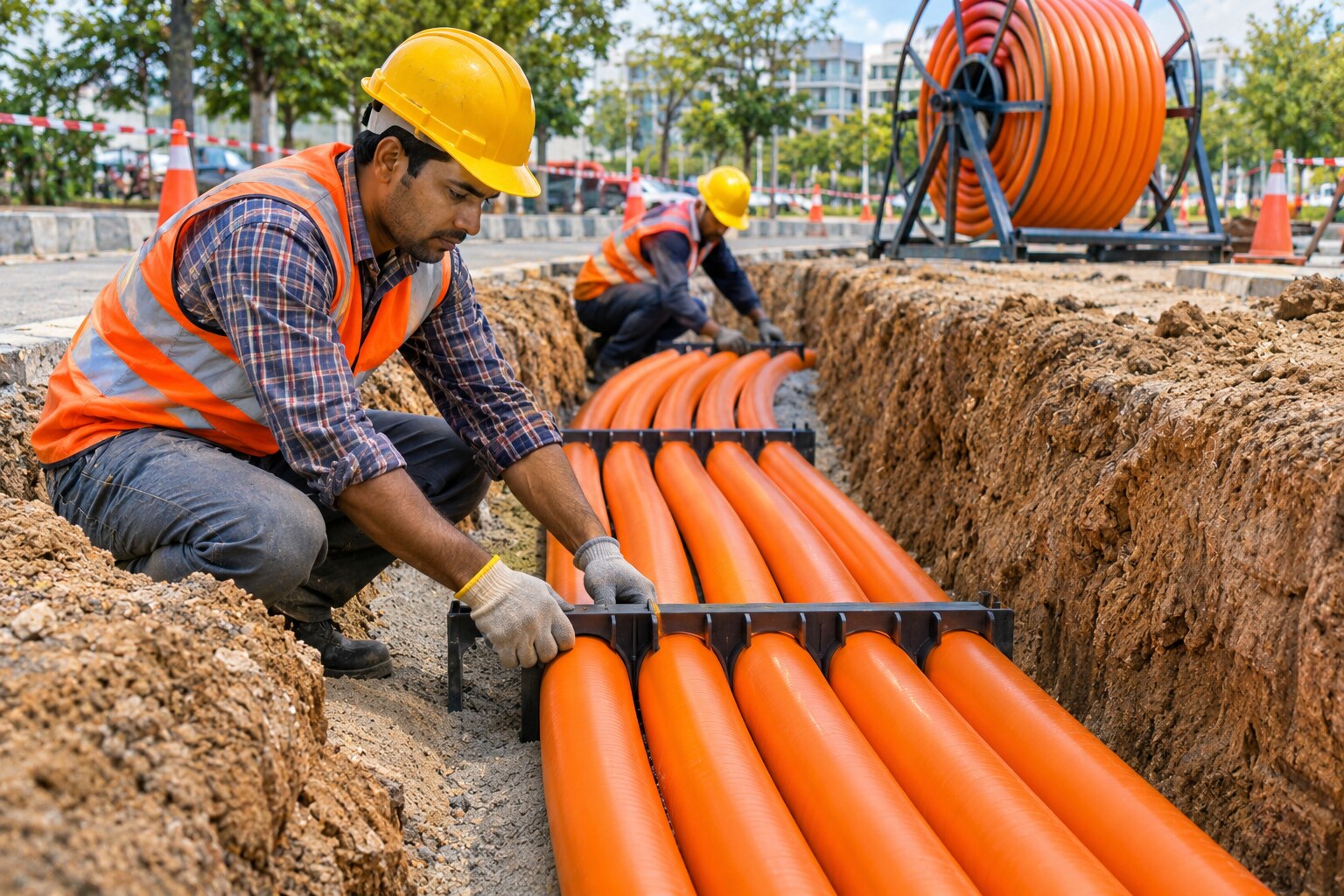
4. Fuse the duct string, inspect fusion beads and ends, protect it from dragging and sharp stones, and support it along the planned pullback path. Keep the manufacturer’s minimum bend radius.
5. Attach the swivel and pulling head, then pull at controlled tension and speed. Manage buoyancy with flooding, weights, or the approved alternative, while recording pullback forces and length.
6. Cap and protect both ends, survey the as-installed route, prove the duct with the specified mandrel or brush, and clear debris before pulling the cable.
The hdpe duct project benefits nagpur contractors seek depend on these handoffs, not on duct material alone. Acceptance needs the bore log, fusion records, pullback record, end locations, proving result, and cable-installation record.
How to Specify the Duct Before Ordering It
Select the outside diameter from the cable bundle, required internal clearance, and proving-device size—not from the bore diameter alone. Then choose wall thickness or SDR against pullback tension, bending, external collapse and local crushing. Pressure class does not tell you whether a duct will survive an HDD pull.
| Option | What it means | When it applies |
|---|---|---|
| Larger OD | More cable space and easier mandrel clearance | Multiple cables, future capacity or thick cable connectors |
| Lower SDR | Thicker wall and greater damage resistance | High pull loads, rocky ground, shallow cover or difficult reaming |
| Higher SDR | Thinner wall, lower mass and more internal space for a given OD | Controlled bore conditions after structural checks |
Specify the product type as electrical conduit or telecom duct, not simply “HDPE duct.” A power route may need a smooth internal bore and cable-separation arrangement; a telecom route may need multiple ducts, a pull rope or a factory-installed tape. Confirm these items before a hdd contractor releases the purchase order:
- Applicable product standard, resin designation and dimensional tolerances
- Outside diameter, wall thickness, SDR and allowable bend radius
- Pullback calculation based on tensile properties, temperature, bend radius and pull duration
- Butt-fusion procedure, bead acceptance or removal, and mandrel size
- Marking, batch traceability and delivery lengths
These checks capture the HDPE duct advantages Hingna projects seek without treating every product as interchangeable.
Pullback Checks That Prevent Damage and Rework
A search for hdpe duct for faster utility installation hingna should end with a pullback calculation, not a promise of speed. An overloaded or floating duct can damage joints, alter the bore alignment and force a second crossing.
1. Calculate the expected pull force from duct weight, bore length, entry and exit angles, bends, friction and drilling-fluid conditions. Set a maximum pulling load from the duct’s outside diameter, wall thickness, SDR and manufacturer’s allowable tensile value; fit a calibrated load cell and stop before that limit.
2. Control the bore before connecting the duct. Confirm the pilot and reamed diameters, minimum cover, bore cleanliness and fluid circulation. Because HDPE can float in fluid, plan controlled flooding, weighting or another buoyancy measure so the duct follows the bore instead of rising and enlarging the annular void.
3. Inspect every fused joint for clean faces, alignment, heater contact, bead formation and cooling time. Keep the string supported, protect it from stones and dragging, and use a swivel between duct and pulling head to prevent twist.
4. Maintain the specified minimum bend radius at the entry, rollers and exit. Record pulling force, speed, fluid pressure, stoppages and anomalies; reduce speed or pause when readings rise sharply.
After pullback, let the duct thermally stabilise before cutting, terminating or restraining it in a chamber.
Fusion, Buoyancy and Proving Details That Protect the Schedule
A fused string can still lose a day after pullback if the crew ignores temperature, buoyancy or internal clearance. HDPE contracts as it cools, so cutting and fixing a hot string immediately can pull it out of a chamber or load the termination. Let the duct thermally stabilise before final restraint.
| Detail | What erases time | Schedule protection |
|---|---|---|
| Butt-fusion bead | A sound joint can still obstruct a cable or proving device. | Decide whether beads are removed, then verify the bore with a mandrel or proving device. |
| Buoyancy | A water-filled HDPE duct can float in drilling fluid, enlarging the annular void and shifting alignment. | Use controlled flooding, weighting or another planned buoyancy-control method. |
| Long-string handling | Dragging over stones, poor support or excessive heat damages the duct before installation. | Confirm reel or stick lengths, laydown space, fusion area and string supports before delivery. |
These controls deliver the hdpe duct benefits for hdd contractors hingna, but only when the pullback record includes fusion temperatures, joint checks, lubricant or drilling-fluid conditions and end protection. For hdpe duct project benefits nagpur, schedule proving and chamber-entry work as planned activities, not as last-minute cable-pulling tasks.
A failed mandrel pass can erase the time saved by fewer joints.
What to Require from an HDD Duct Manufacturer in Hingna
Reject any quote that says only “HDPE duct.” An HDD duct manufacturer in Hingna must identify the service, standard, material grade and dimensions so you can compare like with like.
| Item | Require from the supplier | Why it affects completion |
|---|---|---|
| Service and standard | State electrical or telecom duct use, applicable Indian or project standard, and PE63, PE80 or PE100 resin designation | Prevents a water pipe or pressure-rated product being substituted without review |
| Dimensions | Outside diameter, wall thickness or SDR, and dimensional tolerances | Confirms internal clearance and resistance to crushing |
| Pullback basis | Allowable pull force, minimum bend radius and temperature assumptions | A pressure rating is not a pullback rating |
| Quality records | Batch number, manufacturing date, test certificate and pipe marking schedule | Lets you isolate a defective batch instead of stopping the whole route |
| Fusion details | Joining procedure, inspection record and whether internal beads are removed or accepted | Determines whether a cable mandrel can pass |
| Delivery plan | Reel or stick lengths, quantity, delivery date, staging location and handling method | Long strings save joints only when laydown and fusion space are ready |
Whether you compare Tatiwar Agro Industries with another supplier, require the fused-string support plan and end-protection method in writing. Also confirm that coils or sticks arrive protected from dragging, sharp stones and excessive heat, with delivery split to match the bore sequence. That detail can save a day after the duct reaches site.
Related products
 | HDPE DUCT Pipes for HDD Applications HDPE DUCT Pipes for HDD Applications Reliable HDPE Ducting for Modern Electrical Infrastructure TATFLOW HDPE Pipes for Electrical Ducting are designed to provide a reliable, durable and... View product → |
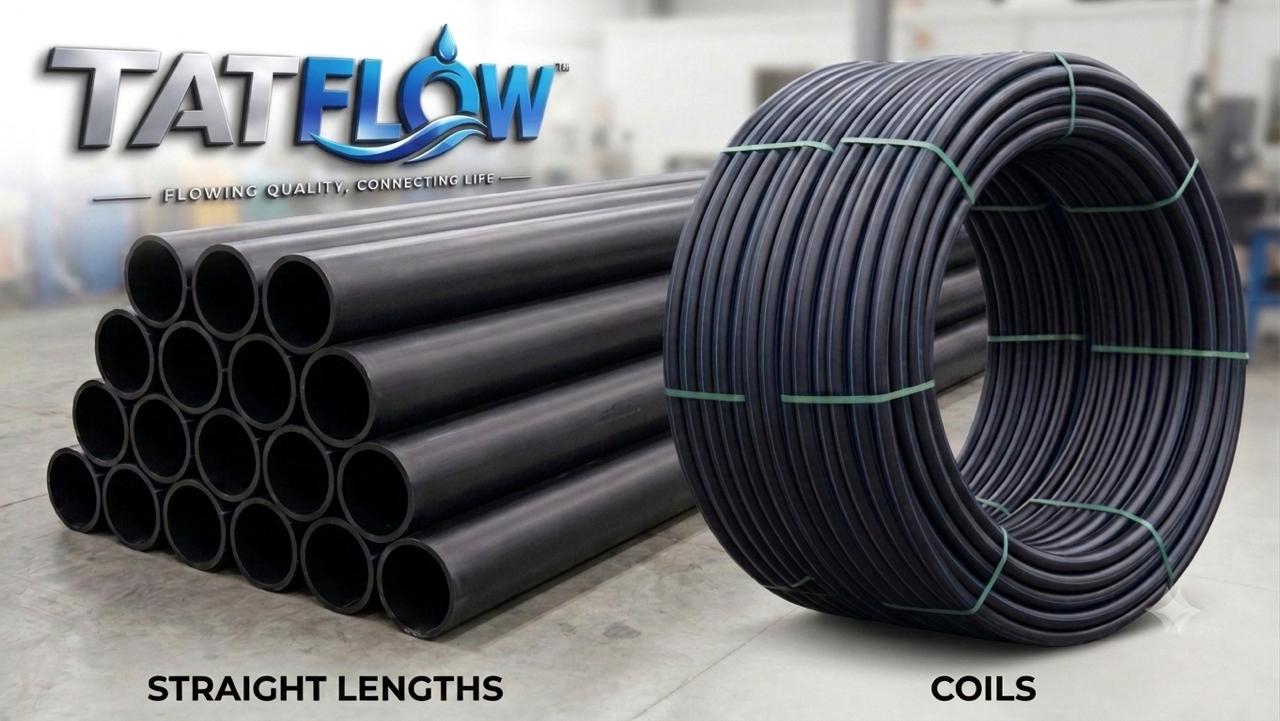 | TATFLOW HDPE Pipe for Electrical Ducting Solutions (HDD Application) TATFLOW HDPE Pipe for Electrical Ducting Solutions (HDD Application) TATFLOW HDPE Pipe for Electrical Ducting Solutions (HDD Application) Reliable HDPE Ducting for Modern Electrical Infrastructure TATFLOW HDPE Pipes... View product → |
Frequently asked questions
Where does HDPE save time compared with open-cut utility installation?
HDD places the duct beneath roads, drains and built-up plots with less continuous excavation, traffic disruption and surface reinstatement. Long fused strings also reduce the number of field joints.
What information should you provide before ordering an HDD HDPE duct?
Provide the utility type, cable or conduit dimensions, required duct internal diameter, route length, bore profile, installation method, pulling conditions and project specifications. Confirm the required SDR, pressure class or non-pressure classification before production.
What checks prevent HDPE duct damage during pullback?
Inspect the duct for cuts, crushing, ovality and blocked ends. Confirm the fused string is continuous, control pulling force and speed, maintain the specified bend radius, and record the pullback from entry to exit.
Why do fusion, buoyancy control and proving affect the HDD schedule?
Correct butt fusion creates a continuous duct string with fewer joints. Managing groundwater buoyancy protects the bore and duct position, while mandrel or brush proving confirms a clear passage before cable pulling.
What should you require from an HDD duct manufacturer in Hingna?
Request material and dimensional test records, batch identification, fusion guidance, delivery lengths, end protection and documentation showing the duct matches the approved specification. Confirm the manufacturer can support route-specific pullback requirements.
Keywords