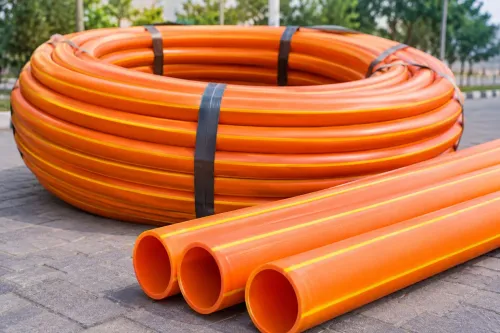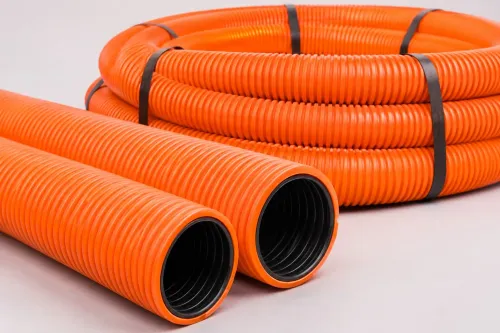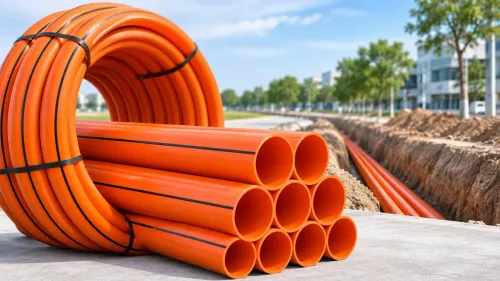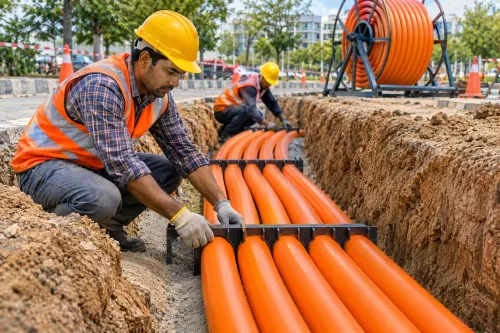
A road, railway, drain, canal, pipeline or built-up-area crossing needs more than a duct with the right nominal diameter. By the end, you will be able to choose the installation method, size an HDPE duct around the cable bundle and bore loads, specify the evidence required at delivery, and accept or reject the completed crossing.
Key takeaways
- Match the method to ground conditions, crossing length and required alignment control.
- Plan the HDD bore profile before selecting duct diameter and wall strength.
- Check cable fill, pulling loads, bend limits and future access before ordering.
- Record duct identity, inspection results and post-installation usability evidence.
Match the crossing and ground conditions to the installation method
Choose the method by surface disruption, ground conditions, crossing length and alignment control—not by duct diameter alone. HDPE duct applications for utility crossings in Hingna include telecom and electrical routes beneath roads, railway lines, drains, canals, existing pipelines and built-up streets.
Water conveyance needs a pressure-rated PE water pipe; it is not automatically a suitable cable duct.
| Method | What it means | When to choose it |
|---|---|---|
| Open-cut | Excavate, install the duct, backfill and reinstate | Short crossings with safe excavation space, shallow utilities and manageable traffic control |
| HDD | Drill a pilot bore, ream it, then pull in the duct | Roads, drains, canals and built-up areas where surface excavation is costly; confirm soil, cover, bend radius and pullback load first |
| Microtunnelling | Jack a guided casing or carrier through a controlled underground bore | Railway, highway, deep drain and groundwater crossings needing accurate grade, larger diameter or strong settlement control |
| Casing pipe | Install a protective sleeve and place the HDPE duct inside it | Use where the road or railway authority requires a replaceable carrier, added mechanical protection or future duct renewal |
HDD is not automatically safer: unlocated utilities, bore collapse, drilling-fluid release or an incomplete pullback can stop the job. Locate services, pothole critical crossings, and record the entry and exit pits, bore profile, minimum cover, reamed-hole size and drilling-fluid plan.
Seal both duct ends after installation. A sealed, roddable duct keeps out silt and groundwater and proves the route is ready for cable installation.
Plan the HDD route before choosing the duct
A bore profile, not the road-crossing length alone, determines the HDD duct for infrastructure crossings. Survey the alignment before selecting diameter or SDR: record existing utilities, soil and groundwater, minimum cover, entry and exit points, angles, available pit space, and the duct’s required bend radius.
1. Locate utilities from records, surface detection and potholing at critical crossings. Mark exclusion zones and revise the line where the pilot bore cannot maintain separation.
2. Design the pilot bore and reamed hole through each soil layer. Set the profile, entry and exit angles, cover, drilling-fluid type and circulation plan, plus controls for loss of fluid, bore collapse and inadvertent release.
3. Calculate pullback force and tensile stress for the full route, including buoyancy, external pressure, curvature, friction, duct weight and the required reamer oversize. ASTM F1962 provides the design framework; cable diameter alone does not.
4. Select the duct after those calculations. Compare the options below before approving the purchase specification.
| Route finding | Confirms utility separation and access | Prevents strikes and blocked pits |
|---|---|---|
| Pilot-bore design | Sets profile, cover, angles and bend limits | Prevents excessive curvature or shallow cover |
| Reaming plan | Sets hole diameter, passes and fluid controls | Limits collapse, fluid loss and stuck tooling |
| Pullback calculation | Checks tensile load, stress, buoyancy and SDR | Prevents duct damage or an abandoned pullback |
| Completion plan | Specifies sealing and end protection | Keeps silt and groundwater out before cable installation |
A lower SDR adds wall thickness but also weight and pulling force. Seal both ends after pullback with a method compatible with later cable access.
Size the duct for cables, pulling loads and future access
Confirm capacity against the installed cable bundle, not the duct’s outside diameter. An underground utility duct Hingna proposal needs the cable manufacturer’s overall diameter, minimum bend radius, maximum pulling tension, pulling-head dimensions and jointing space before anyone selects the duct.
Check these design inputs:
- Internal diameter: calculate the bundle’s occupied area and leave usable clearance for the pulling rope or eye, cable movement and future cables. A duct that barely accepts the finished cable can make the pulling head impossible to pass.
- Wall strength: select SDR and wall thickness from the calculated pullback tension, external groundwater or soil pressure, reaming loads and allowable deformation. A lower SDR gives a thicker wall, but it also increases weight, stiffness and pulling force; SDR alone is not an HDD performance rating.
- Bend capacity: compare the proposed route radius with the duct manufacturer’s minimum allowable bend radius during handling, pullback and service. The cable’s bend radius does not automatically protect the duct from kinking or excessive sidewall pressure.
- Spare capacity: reserve room for additional cables, thermal movement, a joint or termination, and future rodding access. State the required spare internal diameter or cable count in the design, rather than calling the duct “future-proof.”
For an underground utility duct Hingna project, specify a continuous butt-fused string where pullback joints could snag a cable. Seal both ends against silt and water, while keeping access provisions compatible with later cable installation. Confirm the calculation with pull-tension, bend and deformation checks before ordering.
Specify and inspect the duct before it enters the trench or bore
Specify the duct by its service before approving delivery: cable protection, cable installation, water conveyance, or HDD pullback.
A pressure-rated PE water pipe is not automatically a suitable electrical or telecom duct; the purchase order must state outside diameter, internal diameter, wall thickness or SDR, material grade, minimum bend radius, pulling limit, joint method, cable capacity and identification requirements.
1. Ask the manufacturer for records matching the supplied batch: material designation, dimensional test results, SDR, production date, batch number, applicable product standard and fusion-joint procedure. Require a route-specific inspection plan, including mandrel size, rodding method, end-seal type and tracer-wire continuity where specified.
2. Inspect every coil or straight length before unloading. Check markings, measured diameter and wall thickness, ovality, clean open ends, sealed ends, scratches, gouges, kinks, crushed sections and contamination. Reject damage that reaches beyond the surface or reduces the stated wall section.
3. Examine factory or field fusion joints for a continuous, even bead and correct alignment; a neat-looking joint does not prove strength. Confirm the duct remains within its bend-radius limit and has not been dragged over sharp edges.
HDPE duct application contractors Nagpur should record photographs, batch numbers and delivery measurements before the duct enters the trench or bore. Tatiwar Agro Industries can be assessed by the same evidence: a documented duct specification and inspection trail, not a product label alone.
Related products
 | HDPE DUCT Pipes for HDD Applications HDPE DUCT Pipes for HDD Applications Reliable HDPE Ducting for Modern Electrical Infrastructure TATFLOW HDPE Pipes for Electrical Ducting are designed to provide a reliable, durable and... View product → |
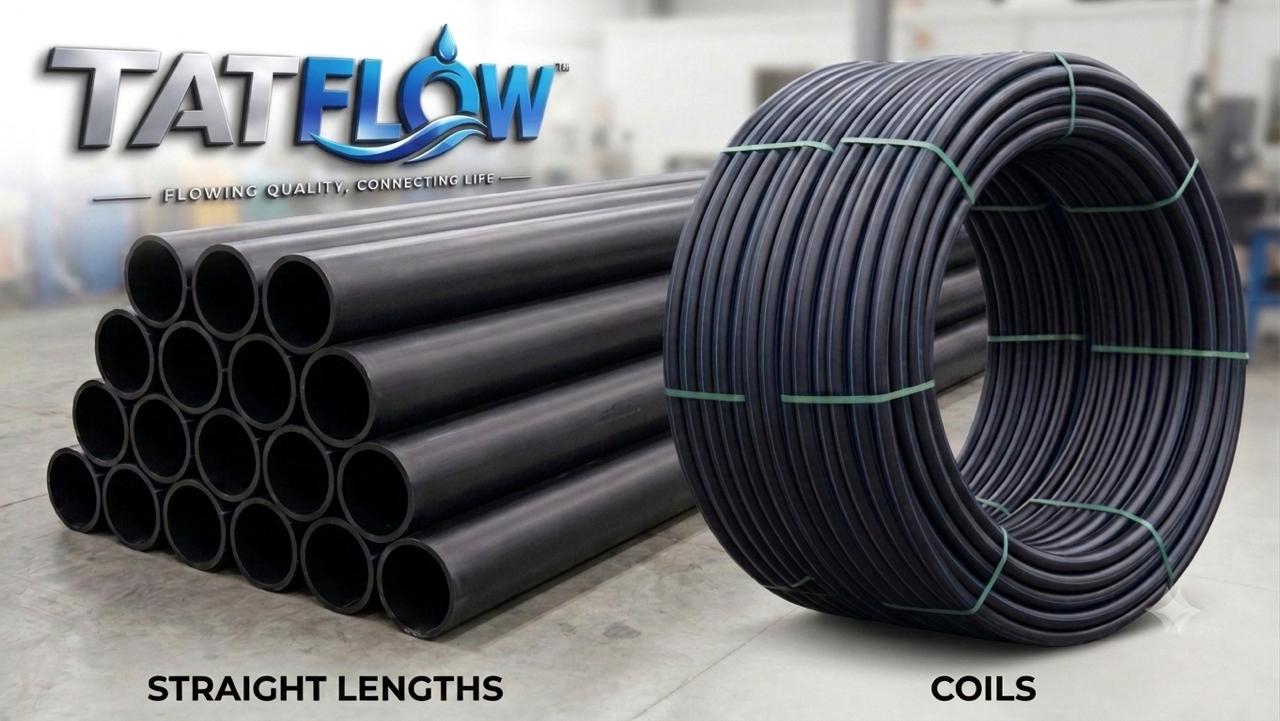 | TATFLOW HDPE Pipe for Electrical Ducting Solutions (HDD Application) TATFLOW HDPE Pipe for Electrical Ducting Solutions (HDD Application) TATFLOW HDPE Pipe for Electrical Ducting Solutions (HDD Application) Reliable HDPE Ducting for Modern Electrical Infrastructure TATFLOW HDPE Pipes... View product → |
Control installation risks and prove the crossing is usable
A usable HDPE duct for utility crossing Nagpur needs evidence beyond an undamaged surface. Require the contractor’s signed pullback log showing duct size, SDR, fusion-joint locations, peak and continuous pulling force, pullback speed, drilling-fluid pressures, and any stoppages or abnormal resistance. Compare the force record with the design limits under ASTM F1962.
Keep a surveyed as-built route showing entry and exit coordinates, cover or depth, horizontal deviation, duct alignment, joint locations, and photographs or electronic locating data before reinstatement. Record potholing or trial-excavation results at critical utilities; a tracer wire or warning tape alone does not locate non-metallic HDPE.
Close the crossing only after these checks are recorded:
- Measure duct diameter, wall condition, ovality, visible scratches, fusion beads, and joint alignment; reject cuts, crushing, exposed reinforcement, or poorly fused joints.
- Pass the specified mandrel through the full route, or rod and prove the bore with a pull rope. Record mandrel diameter, route length, obstruction location, and result.
- Confirm both ends are capped or sealed against soil and water, with accessible draw ropes and identification tags.
- Test tracer-wire continuity from each accessible termination when the design includes a tracer.
- Pull a proving rope or installation brush, then document cable pulling tension, sidewall pressure, bend locations, and final cable continuity or insulation test.
A visually clean duct without these records has not proved that hidden pullback, locating, or cable-installation problems were avoided.
Frequently asked questions
Which utility crossings use HDPE ducts in Hingna?
Contractors use them for telecom and electrical routes beneath roads, railway lines, drains, canals, existing pipelines and built-up streets.
How do you choose an installation method for a utility crossing?
Compare surface disruption, ground conditions, crossing length and alignment-control requirements rather than choosing from duct diameter alone.
What must you consider when sizing an HDPE duct?
Allow for cable quantity and outside diameter, pulling loads, bend limits and the access needed for future installation or maintenance.
What should contractors inspect before installing a duct?
Check the duct identification and condition, then confirm its suitability for the planned trench or HDD bore before installation.
Keywords