A railway or telecom duct is not selected safely from outside diameter or a generic HDPE label alone. You need to match the bore, pulling limits, bend radius, installation method and approval documents to the cable route, then verify that hot Nagpur conditions and railway crossings will not damage the duct before commissioning.
Key takeaways
- Treat PLB as a product description, then verify its tested grade and performance.
- Size ducts for cable fill, spare capacity, bend radius and pulling force.
- Inspect railway crossings, joints, mandrels and end seals before backfilling.
- Compare Maharashtra suppliers using test reports, traceability and installation support.
What PLB means and how it differs from ordinary HDPE duct
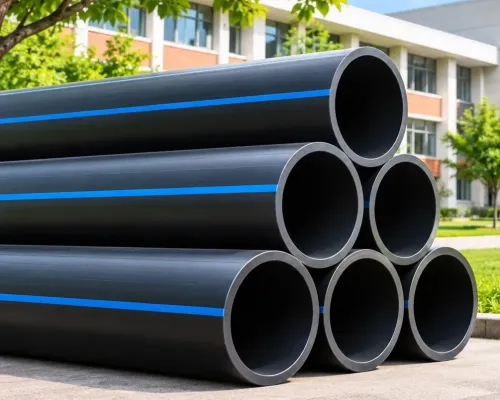
PLB means a polyethylene duct with a permanently lubricated or pre-lubricated low-friction inner surface. It is a product description, not one universally fixed standard, so “PLB duct pipe for railway telecom Nagpur” does not define the duct’s grade or performance by itself.
A water-supply HDPE pipe cannot automatically replace a cable duct. Pressure-pipe standards concentrate on hydrostatic strength and service life; railway and telecom routes also need controlled bore, ovality, crush resistance, impact resistance, abrasion resistance and predictable cable-pulling performance. A smooth bore reduces friction, but bends still create cable sidewall pressure.
Write these requirements into the enquiry and purchase order:
- Resin designation and material grade
- Outside diameter × minimum inside diameter
- Minimum wall thickness and allowable ovality
- Colour, UV stabilisation and operating-temperature range
- Minimum bend radius, crush resistance, impact resistance and permissible pulling force
- Friction or cable-installation test results, reel length and marking details
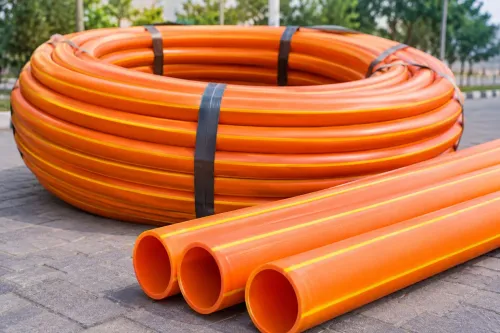
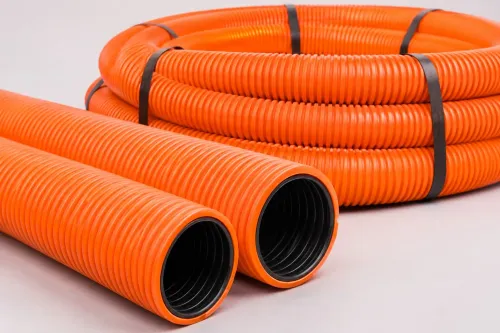
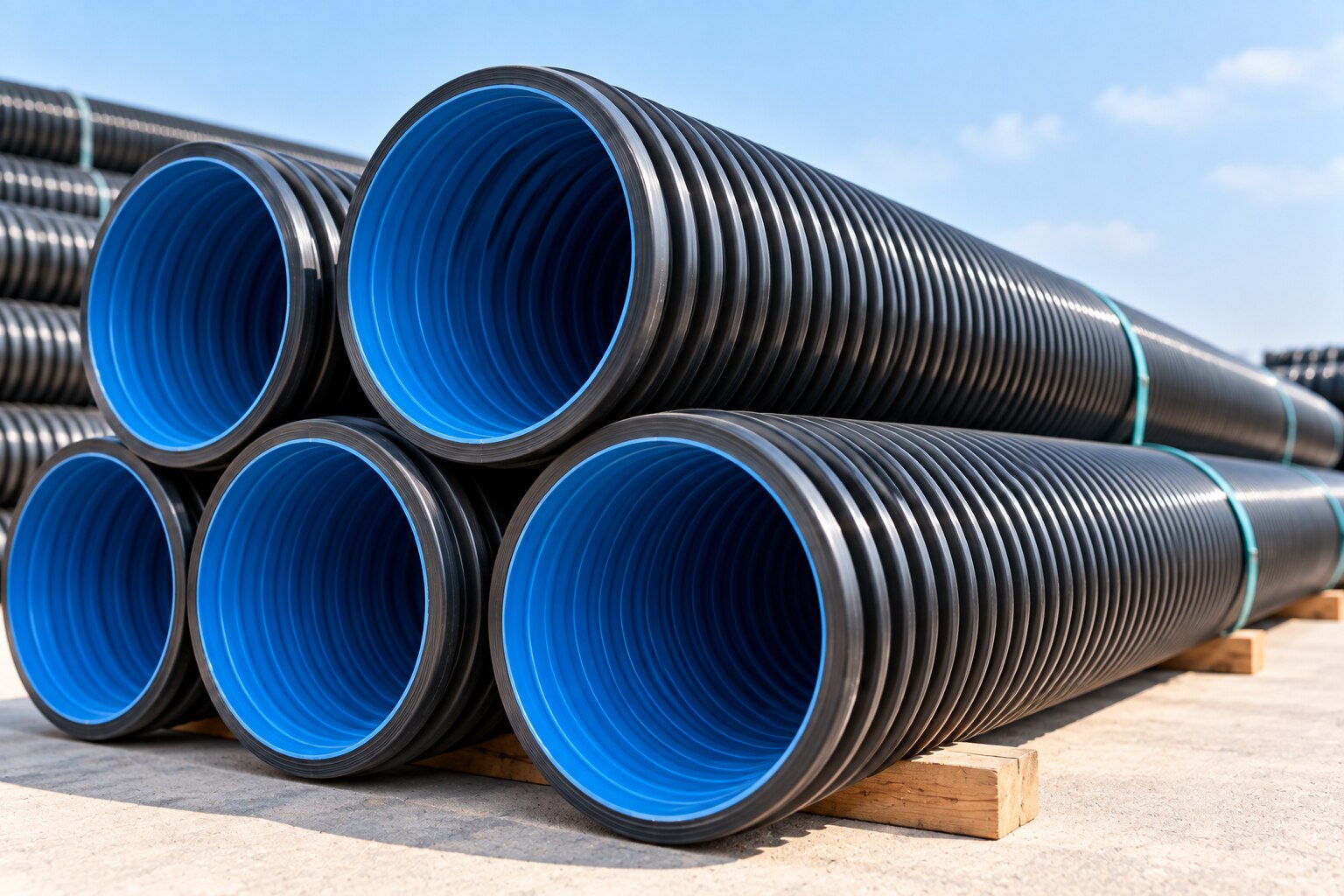
Smooth-wall PLB suits long cable pulls, fibre installation and routes where low friction and a consistent bore matter. Ordinary smooth HDPE conduit may suit simpler short runs; corrugated duct offers flexibility but adds internal resistance, while a multi-duct assembly suits several segregated services. Do not substitute between them without design approval.
For any railway duct pipe Nagpur project, let the Indian Railways or RDSO specification, telecom-operator requirement or project technical schedule control the choice. That document outranks a supplier’s label.
How to size the duct for cables, spare capacity and pulling force
Select the bore from the finished cable bundle and installation forces, not from duct outside diameter alone. For a railway duct pipe near Nagpur, prepare a cable schedule showing:
- Each signalling, fibre-optic, copper telecom and power cable’s finished outside diameter and quantity
- Allowable pulling tension and minimum bend radius for every cable
- Required future-spare capacity
- The project’s permitted duct-fill percentage
Compare the combined cable cross-sectional area with the duct’s usable internal area, calculated from its minimum inside diameter, then apply the project fill rule. A nominal bore is not enough: request bore tolerance and ovality limits, because a reduced or distorted passage increases pulling resistance.
| Route condition | Main sizing check | Typical risk |
|---|---|---|
| Straight run | Cable area, fill and pulling tension | Excessive tension despite adequate space |
| Bends, chambers and entries | Cable minimum radius, duct radius and sidewall pressure | Wall pressure rises at short bends |
| HDD crossing | Duct tensile rating, bend radius and pulling equipment | Necking, ovality or hidden damage |
A low-friction PLB surface reduces friction but does not remove sidewall pressure at bends. Use a swivel between pulling rope and cable; without it, twisting transfers into the cable or duct. During HDD, never exceed the duct’s rated pulling load or force it around a tighter radius than specified.
Ask for permissible pulling force, friction or cable-installation test results, minimum inside diameter, ovality measurement, reel length and bend-radius limits before ordering. These records matter more than a brand description for any railway duct pipe Nagpur project.
How to install the duct along tracks, yards and crossings near Nagpur
Fix the railway owner’s approved alignment before marking a trench. A PLB duct pipe for railway telecom work near Nagpur must avoid ballast disturbance, preserve maintenance access and stay clear of tamping zones, station-yard operations, embankment edges and level-crossing equipment.
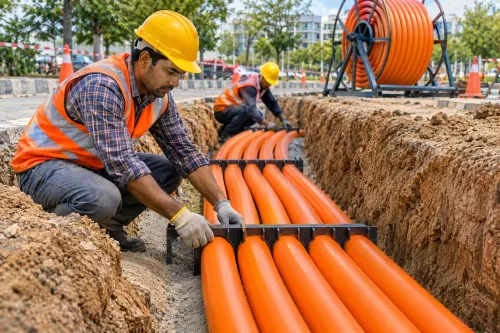
1. Detect and mark signalling, power, telecom, water and drainage services before excavation. Set trench width for the duct, bedding and compaction space; use the approved depth, granular bedding and separation distances rather than copying a road-trench detail.
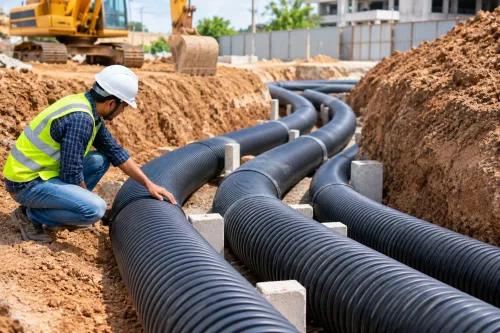
2. Place the duct on uniform granular bedding, remove sharp stones, and backfill in controlled layers. Install warning tape above the duct, marker posts at changes and crossings, and protection against later excavation or tamping.
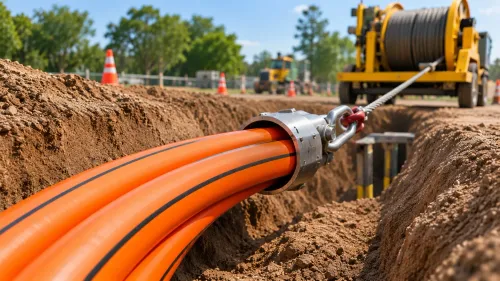
3. Enter chambers without sharp bends or unsupported edges. Fit a pulling rope, seal unused ends against water and silt, and pass a correctly sized mandrel before cable installation; a failed mandrel exposes crushed, ovalised or obstructed duct.
4. Treat a railway crossing separately from open-trench work. Agree the crossing method, casing or concrete protection, spare ducts, depth, drainage, chamber locations, entry and exit geometry, possession or traffic controls and as-built records with the railway owner.
5. HDD is only an installation method, not railway approval. Obtain route permission and utility detection, then control entry and exit geometry, minimum bend radius, allowable pulling load and swivel use; overpulling can cause necking or hidden damage.
Backfill and restore ballast, yards and access routes to the railway’s specified condition, then record coordinates, depths, chambers, spare ducts and end seals.
Which standards and documents should decide acceptance
Acceptance must be tied to the named Indian Railways or RDSO specification, telecom operator specification, or project-approved technical schedule in your enquiry and purchase order. PLB duct is a product description, not one universal standard, so “good quality” cannot decide rejection.
Request this acceptance package:
- Manufacturer’s technical datasheet stating material grade, outside diameter, minimum inside diameter, wall thickness, ovality limit, UV stabilisation and minimum bend radius.
- Resin-grade information linked to the delivered batch or lot number.
- Dimensional inspection covering bore, wall thickness and ovality, with inner-bore inspection results.
- Impact, crush, tensile and permissible pulling-load results.
- Friction or cable-installation test results using the project’s cable or an agreed equivalent.
- Reel-length confirmation, marking details and the manufacturer’s inspection plan.
Use the documents to distinguish what each record proves:
| Document | What it proves | What it does not prove |
|---|---|---|
| Resin certificate | Polymer grade and source | Finished duct bore, crush or pulling performance |
| Dimensional report | Delivered geometry and ovality | Long-term UV or installation performance |
| Performance test report | Impact, crush, friction or tensile capability | Compliance with an unnamed project specification |
| Batch traceability record | Which lot produced the reel | That every untested reel performs identically |
A resin certificate alone does not prove duct performance. When comparing TATFLOW railway duct pipe with a telecom duct manufacturer Nagpur, ask for project-specific test records and traceability; do not assume railway approval from brand wording or location. The purchase order must identify the governing document and acceptance tests.
Related product
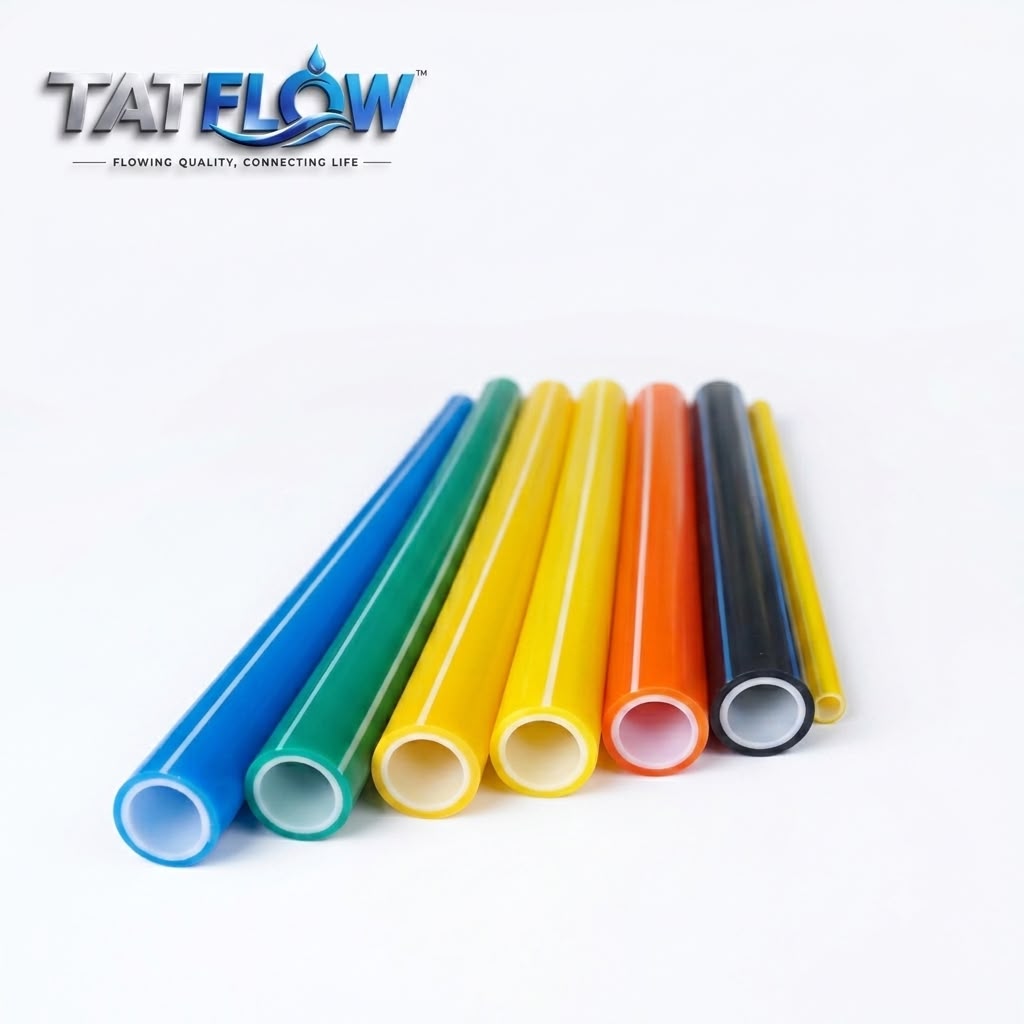 | PLB DUCT pipe for Railway Signal & Telecom Ducting TATFLOW PLB DUCT pipe for Railway Signal & Telecom Ducting TATFLOW PLB Duct Pipe is a high-quality ducting solution designed for the safe and efficient installation and protection of Railway Signal,... View product → |
How to compare a Maharashtra supplier before placing the order
Compare a PLB duct supplier in Maharashtra against the project specification, not location or brand wording. Require consistent batch supply, with batch or lot identification linking each reel or straight length to dimensional and performance records.
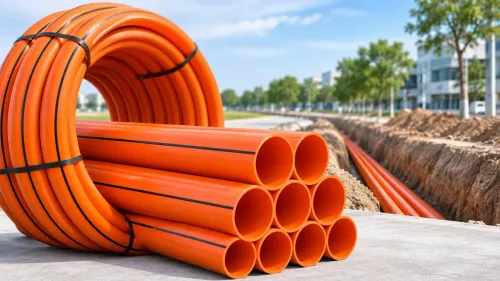
Match delivery format to the route: reels for long, open runs and straight lengths for chambers, entries or constrained alignments. Put replacement terms in the purchase order for transport-damaged, crushed or ovalised duct, including inspection time and replacement responsibility.
In Nagpur, black polyethylene exposed to direct sun can become far hotter than ambient air, while unsupported coils can deform. Store reels on firm supports under protection from prolonged sunlight, inspect the bore after transport, and use the specified installation-temperature allowance.
Allow for polyethylene movement of roughly 1.5–2.0 × 10⁻⁴ per °C: a 100 m run facing a 40°C change can move about 0.6–0.8 m.
| Supplier comparison | Acceptable evidence | Warning sign |
|---|---|---|
| Bore and wall | Dimensional report with bore, wall thickness and ovality | Resin certificate only |
| Strength | Bend radius, pulling force, crush and impact results | “Heavy-duty” wording |
| Service life | UV-resistance evidence and operating-temperature limits | Unstated exposure rating |
| Logistics | Confirmed reel length, straight-length options and regular marking | Unverified length or missing interval marks |
| Compliance | Project-specific test reports and railway approvals | Generic railway claim |
- Check marking at regular intervals before installation.
- Confirm bore inspection and delivery-protection procedures.
- Record the replacement process for damaged duct before ordering.
Frequently asked questions
What does PLB mean, and how does it differ from ordinary HDPE duct?
PLB describes a polyethylene duct with a permanently lubricated or pre-lubricated low-friction inner surface. It does not define one universal grade or standard, so compare wall construction, dimensions, friction performance and test documentation rather than relying on the PLB label.
How should you size PLB duct for railway and telecom cables?
Allow space for the installed cables, future cables and pulling equipment. Check cable outside diameter, bend radius, duct fill, route length, bends and the manufacturer’s pulling-force limit before selecting the internal diameter.
How do you install PLB duct along tracks, yards and crossings near Nagpur?
Plan the route around railway clearances and drainage, protect ducts at crossings, control the trench bed and cover, limit bends, seal open ends and prove the route with a mandrel or calibrated test plug before backfilling.
Which documents should decide PLB duct acceptance?
Use the project specification, approved drawings, purchase order, inspection and test plan, manufacturer datasheet, batch traceability, dimensional records and applicable railway or telecom authority requirements. Request test reports that identify the exact supplied batch and duct grade.
How should you compare a Maharashtra PLB duct supplier before ordering?
Compare documented dimensions, friction performance, pressure or crush resistance where specified, delivery capacity, batch traceability, installation guidance, warranty terms and responses to technical submittals. Confirm that the supplier can support the route and acceptance tests, not only quote a price.
Keywords