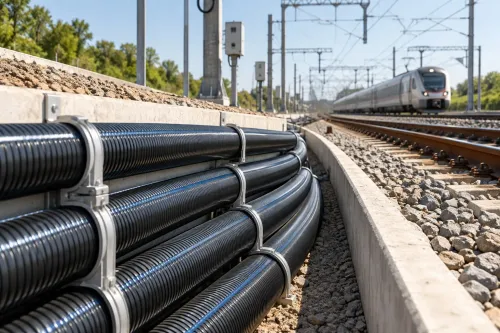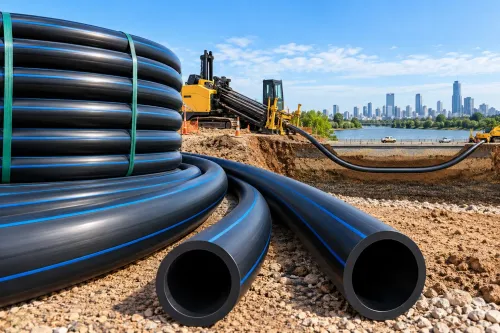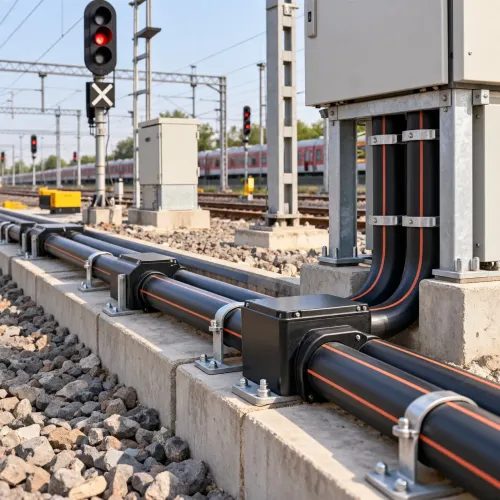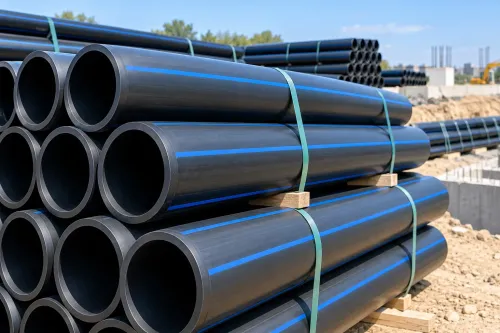
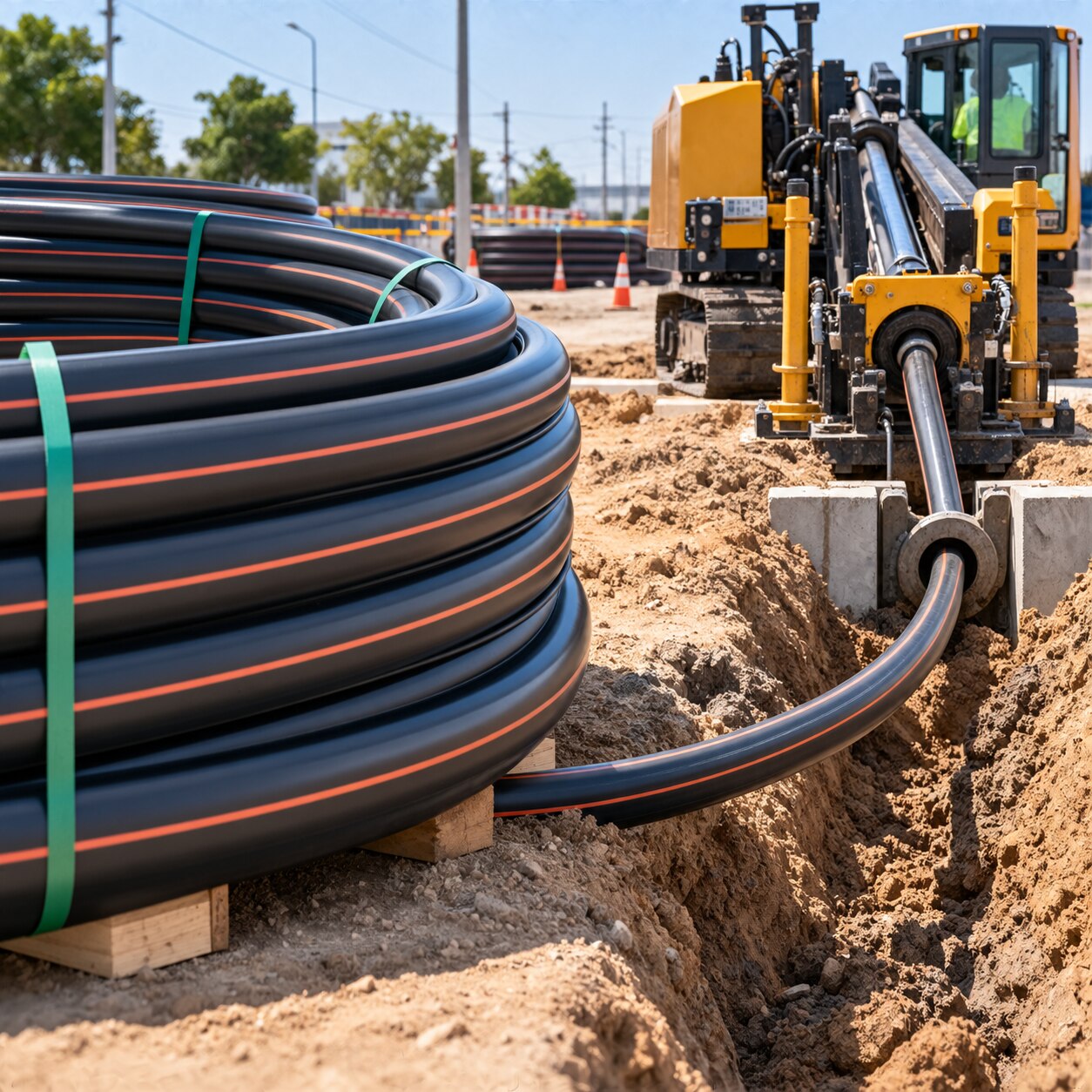
A railway contractor cannot approve an HDPE pipe for electrical HDD on brand name or water-pressure rating alone. You will be able to screen the duct against Indian standards, railway and utility approvals, HDD loads, cable-installation requirements and the documents needed before procurement.
Key takeaways
- Match the pipe specification to the railway or utility tender before approval.
- Do not use water-pressure ratings as proof of HDD pullback performance.
- Size the duct for cable fill, bend radius, and calculated pulling loads.
- Demand batch records, test certificates, and installation acceptance results.
When can a Tatflow HDPE pipe be accepted for electrical HDD?
A Tatflow HDPE pipe is acceptable for a railway electrical HDD crossing only when project records prove that its construction and installation match the railway or utility tender. A brand name, catalogue claim, or water-pipe pressure rating does not prove that the duct can survive pullback and protect the intended cable.
Ask the supplier for:
- The approved material designation, dimensions, outside and inside diameters, wall thickness, SDR, colour, markings and permitted length or coil format.
- Mill certificates, batch traceability and dimensional test results tied to the delivered reels or straight lengths.
- A written fusion procedure, operator qualifications, welding-machine calibration records and a sample-joint qualification report.
- Factory and site test results covering ovality, visual defects, joint integrity and any tensile or pressure test named in the tender.
- The installation method statement showing bore alignment, cover, entry and exit pits, drilling-fluid controls, pullback limits and cable-protection measures.
- Written approval from the railway division, asset owner or utility authority for the crossing alignment and the proposed duct.
The evidence must also identify the service: traction-power or other railway electrical cables, signalling cables, telecom cables and general utility cables do not share identical separation, clearance or protection requirements.
For tatflow hdpe pipe electrical hdd nagpur procurement, accept the pipe only after those records match the approved design and crossing permit—not because it is labelled hdpe electrical ducting.
Which standards and approvals control a railway duct in Nagpur?
Do not order an electrical duct pipe in Nagpur until the railway asset owner issues written material and route approval. The controlling document is usually the project tender and approved railway drawing, supported by the applicable Indian Railways, RDSO, CORE, electrical, signal and telecommunications requirements.
A generic IS certificate or water-pipe pressure rating does not establish acceptance.
Obtain these documents before placing the purchase order:
- Approved HDD alignment showing cover, crossing limits, approach pits, clearances from tracks, signalling cables and traction-electrification assets.
- Railway division or asset-owner material approval naming the duct construction, OD, ID, SDR, material grade, colour, markings and jointing method.
- The tender’s cable schedule, separation rules, bend-radius limits, pulling limits, testing requirements, work window and emergency plan.
- Applicable RDSO or Indian Railways specification cited in the tender, plus the utility owner’s specification where the duct carries power, signalling or telecom cables.
- Manufacturer certificates, batch traceability, dimensional results and jointing procedure for the offered HDPE pipe.
| Document | What it controls | Who must accept it |
|---|---|---|
| Railway or CORE approved drawing | Route, cover, clearances and pits | Railway engineering and asset departments |
| RDSO or tender specification | Duct construction, installation and tests | Procuring railway authority |
| IS 4984 or another cited IS standard | Only the properties expressly referenced | Project engineer |
| Utility-owner specification | Cable separation and electrical interfaces | Cable or traction owner |
Treat “approved for railway HDD” in a catalogue as unverified until it appears in the written project approval.
How do you size the duct for cables and HDD forces?
Select the duct from the cable’s usable internal diameter, not its nominal outside diameter. Measure the largest cable outside diameter, add the specified spare capacity for installation and future cables, then check the manufacturer’s minimum internal diameter and ovality tolerance.
A water-pipe pressure class alone does not prove that an electrical duct will accept the cable.
Put these values into the HDD design calculation:
- Cable count, outside diameter, pulling tension and allowable sidewall pressure.
- Required cable bend radius, duct bend radius and entry-pit geometry.
- Bore length, depth, soil conditions, groundwater, drilling-fluid pressure and minimum cover.
- Pullback load, temporary collapse risk, cable separation and any subduct or spare-duct arrangement.
Choose SDR from the calculated installation loads. A lower SDR gives a thicker wall and better resistance to collapse, crushing and handling damage, but it also increases duct weight, stiffness and pullback force. Do not select the thickest available duct without checking winch capacity, bendability and the manufacturer’s allowable tensile load.
Set the bore alignment with long, smooth curves rather than forcing the duct around a sharp change in direction. The duct’s bend radius must exceed both the pipe limit and the cable’s required installation radius; use a larger radius when the cable pulling calculation demands it.
For hdpe electrical ducting hdd nagpur work, record the selected OD, ID, wall thickness, SDR, ovality, bend radius and calculated maximum pullback force before ordering.
What installation and acceptance tests prove the duct is usable?
A mandrel that stops inside the duct is a failed cable route, even if the pipe survived pullback. Record the pilot-bore alignment, reaming diameter, minimum cover, drilling-fluid returns, pullback force and final duct depth; fluid escape, settlement or inadequate railway clearance can reject the crossing.
During pullback, cap the leading end, control speed and force, and maintain the specified bend radius. For butt-fusion joints, record operator, machine, pipe batch, heating temperature, fusion pressure, cooling time and joint number. Inspect the finished bead for contamination, misalignment or incomplete fusion before burying it.
Use this acceptance sequence:
- Pass a calibrated mandrel or gauge sized for the cable, allowing for the duct’s measured internal diameter and ovality.
- Prove rope or pull-line continuity between pits, then secure and label the line.
- Inspect both ends and use CCTV when the crossing length, obstruction risk or deformation justifies it.
- Survey and record the installed route, depth, joint positions, duct separation and pit locations.
- Seal both ends against water, silt and rodents without reducing the cable opening.
| Test | Proves | Does not prove |
|---|---|---|
| Mandrel or gauge | Clear, passable bore | Cable will meet pulling-tension limits |
| Pull-line continuity | Unbroken route between pits | Correct cable separation |
| CCTV inspection | Obstruction, collapse or severe deformation is absent | Hidden joint strength |
| Water-pressure test | Leak resistance | Cable passability or acceptable ovality |
A pressure test alone cannot replace the mandrel and pull-line tests. Accept the duct only when every result matches the cable-pulling calculation and railway inspection record.
What should a railway contractor demand before buying the pipe?
A purchase order is not defensible if it relies on a catalogue claim such as “railway suitable.” For hdpe pipe for railway contractors nagpur, obtain written acceptance for the specified duct, not just approval of the manufacturer or a water-pipe pressure class.
Demand these supplier records before releasing the order:
- Dimensional and material certificates stating OD, ID, wall thickness or SDR, PE grade, colour and marking
- Batch numbers linking each pipe coil or straight length to production and test records
- Fusion-welder calibration certificates and the proposed jointing procedure
- A sample-joint qualification report, reel-inspection record and installation method statement
- Test results covering the tender’s required ovality, stiffness, tensile or pressure checks
TATFLOW’s product file is useful only when it matches the railway tender and the cable system; brand identity alone does not establish acceptance.
| Decision file | Demand from the project team | Reject or hold the order if |
|---|---|---|
| Railway coordination | Written approval from the railway division or asset owner covering alignment, cover, pits, clearances from tracks, signalling and traction equipment, work windows, settlement controls, drilling-fluid escape and emergency contacts | The crossing drawing or approval is unsigned, or clearances and minimum cover are left to a generic recommendation |
| Electrical design | Cable type, cable OD and count, spare capacity, bend radius, pulling tension, separation, screen continuity, earthing and fault-protection design | The duct is expected to provide an earth path, metallic shield or bonding function; HDPE provides none |
Related products
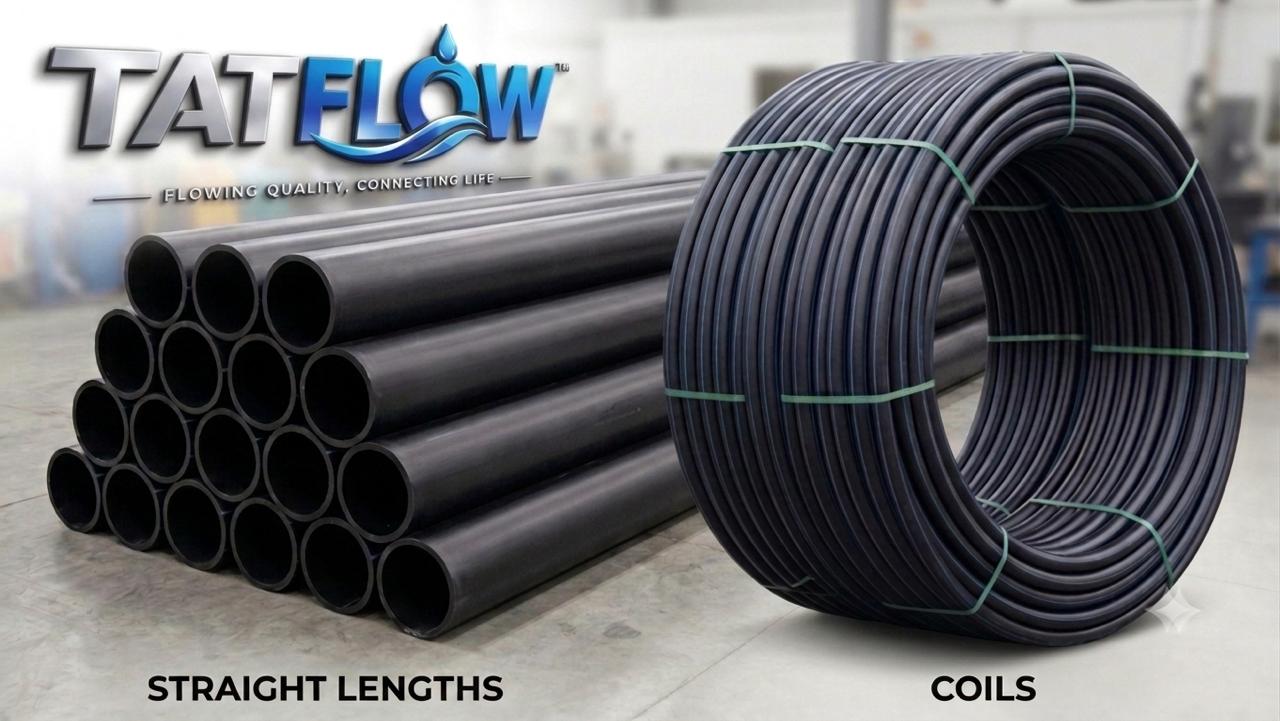 | HDPE DUCT Pipes for HDD Applications HDPE DUCT Pipes for HDD Applications Reliable HDPE Ducting for Modern Electrical Infrastructure TATFLOW HDPE Pipes for Electrical Ducting are designed to provide a reliable, durable and... View product → |
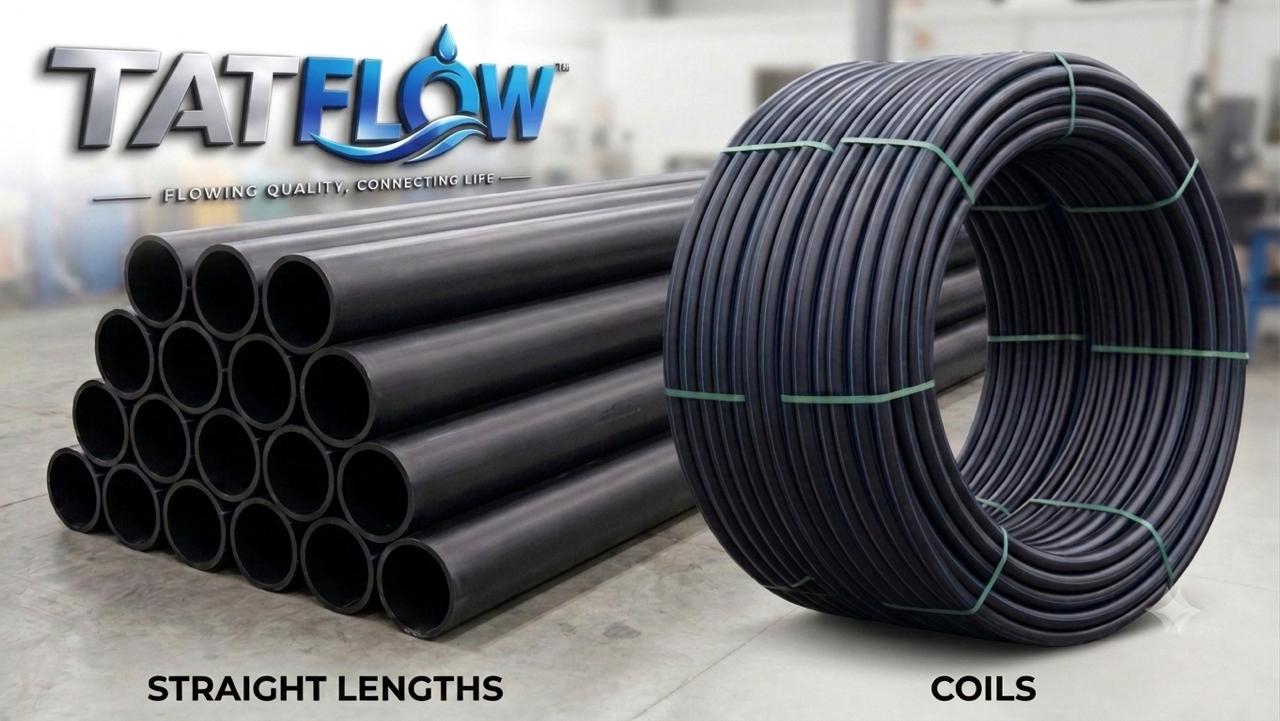 | TATFLOW HDPE Pipe for Electrical Ducting Solutions (HDD Application) TATFLOW HDPE Pipe for Electrical Ducting Solutions (HDD Application) TATFLOW HDPE Pipe for Electrical Ducting Solutions (HDD Application) Reliable HDPE Ducting for Modern Electrical Infrastructure TATFLOW HDPE Pipes... View product → |
Frequently asked questions
When can Tatflow HDPE pipe be accepted for electrical HDD?
Accept it only when project records show that the pipe construction, dimensions, material, and installation meet the railway or utility tender.
Which standards and approvals control a railway duct in Nagpur?
The railway authority’s tender, approved drawings, utility requirements, and named Indian or project standards control acceptance; confirm each document before procurement.
How do you size the duct for cables and HDD forces?
Check cable fill, cable bending radius, duct diameter, route curvature, pullback load, allowable tensile stress, and minimum bend radius.
What installation and acceptance tests prove the duct is usable?
Use documented alignment and depth checks, mandrel or proving tests, duct rodding, end inspections, and records of any pressure or continuity tests specified by the project.
What should a railway contractor demand before buying the pipe?
Request the approved technical datasheet, material grade, dimensions, batch traceability, test certificates, fusion procedure, installation limits, and project approval records.
Related product
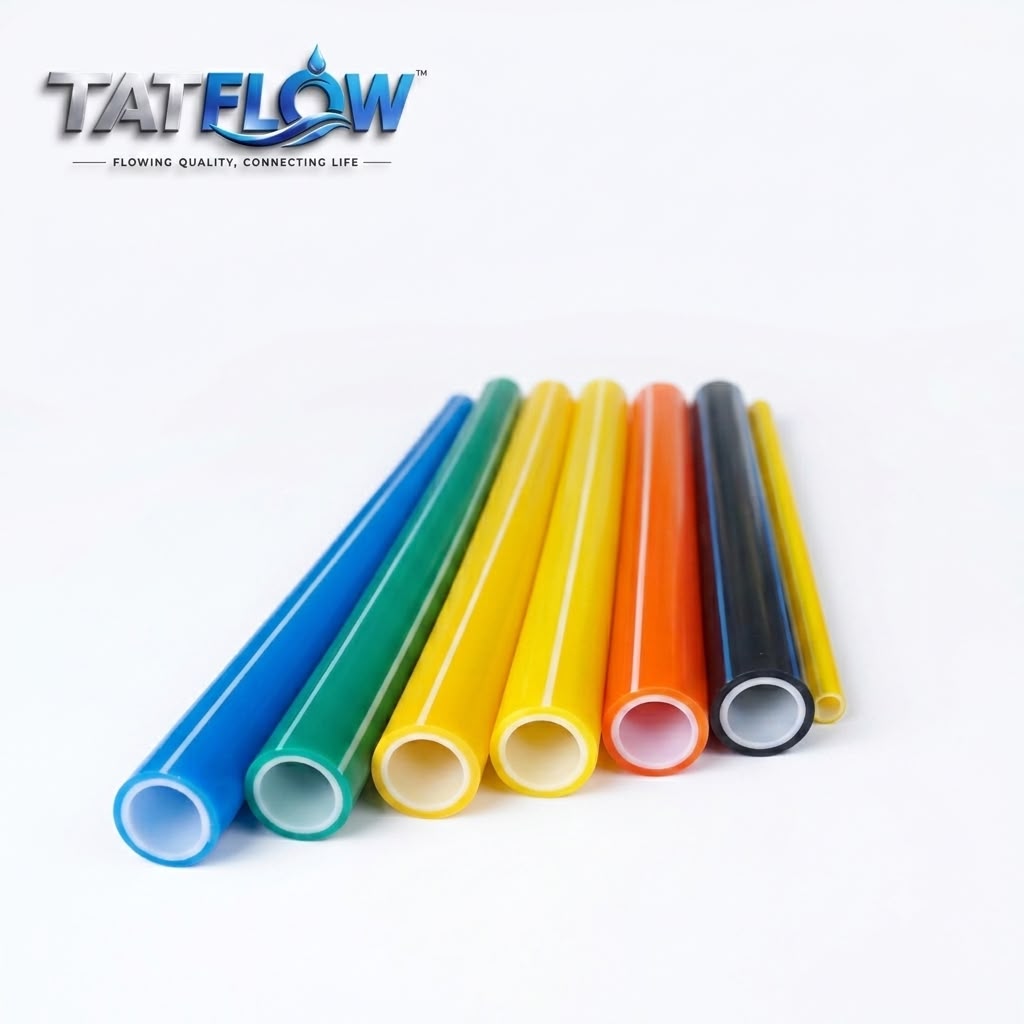 | PLB DUCT pipe for Railway Signal & Telecom Ducting TATFLOW PLB DUCT pipe for Railway Signal & Telecom Ducting TATFLOW PLB Duct Pipe is a high-quality ducting solution designed for the safe and efficient installation and protection of Railway Signal,... View product → |
Keywords